



Rethinking What a Cleanroom Really Means
When you hear “cleanroom,” what comes to mind? Most people picture a pristine, particle-controlled space – and while that’s not wrong, it’s only part of the story. In medical device manufacturing, the concept of a cleanroom is far more nuanced. Not all cleanrooms are created equal, and simply meeting ISO 14644-1:2015 standards doesn’t necessarily mean your product’s cleanliness needs are being met.
One of the most common challenges we encounter is the blanket request for “cleanroom manufacturing” without clarity on what that actually entails. This can lead to misalignment, delays, and added costs. So, let’s unpack what really matters and how to better communicate your requirements.
What Is a Cleanroom, Really?
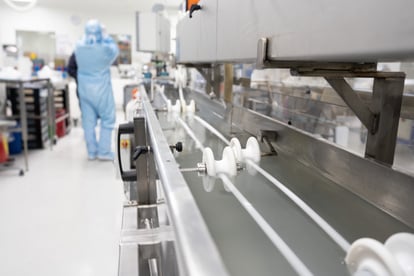
At its core, a cleanroom is a controlled environment where airborne particles are monitored and controlled through specialized filtration and airflow control. ISO 14644-1:2015 classifies cleanrooms based on the concentration of airborne particles of a defined size per cubic meter of air. In medical device manufacturing, two common classifications include:
- ISO Class 7: ≤352,000 particles ≥0.5 µm/m³
- ISO Class 8: ≤3,520,000 particles ≥0.5 µm/m³
But choosing a supplier isn’t just about picking one with an ISO 7 or ISO 8 cleanroom. The right environment depends on your product’s risk profile, intended use, and downstream processes like sterilization. Cleanroom classification is just one piece of a much larger puzzle.
Contamination Control: More Than a Particle Count
Meeting particle count standards is important—but it’s not enough. A cleanroom that looks good on paper may still fall short of the contamination control needed for some medical applications. At Saint-Gobain, cleanrooms are just one part of a comprehensive contamination control strategy that includes:
- Room Design & Construction: Engineered for optimal airflow, pressure differentials, and cleanable surfaces.
- Rigorous Cleaning Practices: Rotational chemical protocols and microbial monitoring.
- Personnel & Gowning Controls: Strict gowning procedures and behavioral training to reduce human contamination.
- Controlled Flow of People & Materials: Designed to minimize particulate generation.
- Equipment & Facilities: Layouts and systems built to reduce contamination risk.
- Comprehensive Environmental Monitoring: Tracking viable and non-viable particles, pressure, humidity, temperature, and more.
- Product-Contacting Utilities: Monitoring water, compressed air, and other utilities for contamination.
- Integrated Quality Systems: Trending environmental data and integrating it into our QMS for proactive control.
- Change Management: Formal change control to maintain validated cleanroom conditions.
- Customer Application Alignment: Tailoring controls to meet specific requirements like endotoxin limits, bioburden, and particulate thresholds.
So, What Should You Actually Ask For?
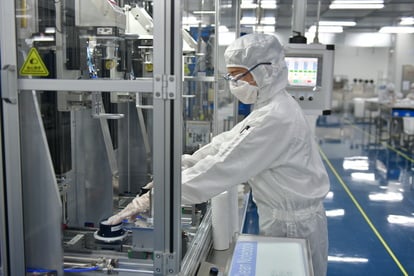
Instead of simply requesting “cleanroom manufacturing,” consider specifying the cleanliness requirements that truly matter for your product:
- Particulate or microbial limits
- Endotoxin or bioburden thresholds
- Packaging and handling needs
- Sterilization compatibility
- Regulatory or application-specific cleanliness criteria
This level of detail helps us recommend the right control plan – whether that’s full cleanroom production or a controlled space that’s more cost-effective without compromising quality.
Cleanrooms Aren’t Always Required—But Standards Always Matter
Not every product or production step needs a cleanroom. What matters is ensuring the environment supports the cleanliness and compliance your application needs.
At Saint-Gobain, we go beyond operating cleanrooms – we engineer tailored, contamination-controlled manufacturing systems designed around your product’s needs. Whether you’re launching a new device or scaling production, our team is here to help define the right strategy to deliver quality, efficiently and reliably.

What it means for medical device manufacturers


What manufacturers need to know about medical-grade standards
