




5 Phase Approach to Scaling Silicone Injection Molding Process
Zero to A Million: Understanding the Medical Silicone Injection Molding Scale-Up Process
Scaling up the injection molding of medical device components from the initial customer inquiry to full-scale production of over a million units annually is a complex, multi-phase process that requires careful planning and execution. This approach is divided into five distinct phases, each designed to ensure that the final product meets the highest standards of quality, functionality, and regulatory compliance. Dive deep into each phase and understand the crucial role each plays in transforming a concept into a reliable, mass-produced medical device component.
Phase 1: Initial Customer Engagement and Feasibility Analysis
The journey begins with the initial customer engagement, where the foundation for the entire project is laid. This phase is essential as it lays the groundwork for all the subsequent steps in the silicone injection molding process. During this phase, close collaboration with the customer is required to fully understand the specific needs and requirements of the application. This involves a thorough feasibility analysis to ensure that the project is viable and aligns with regulatory standards. Key activities in this phase include:
- Customer Inquiry:
- The customer reaches out to the injection molding company with a request to manufacture a medical device component.
- They provide information such as component design, functionality, material preferences, regulatory requirements (e.g., FDA, ISO), and desired production volumes.
- Initial Feasibility Assessment:
- The molding company reviews the design and specifications for feasibility.
- Factors considered include material selection, manufacturability, tolerances, and special requirements like biocompatibility or sterilization compatibility.
- A Design for Manufacturing (DFM) review is conducted to suggest potential modifications that could improve manufacturability and reduce costs.
- Regulatory and Quality Compliance Evaluation:
- Ensure the molding company is compliant with medical device standards (e.g., ISO 13485, FDA 21 CFR 820).
- Conduct a risk analysis based on ISO 14971 to ensure the component meets all regulatory requirements for medical devices.
- Quality Management System (QMS) checks are performed to ensure compliance with strict regulatory standards.
- Proposal and Quotation:
- The company prepares a detailed proposal, including tooling costs, estimated production costs, validation costs, timelines, and initial sample production plans.
- A projected cost-per-unit breakdown at different production scales is often provided, including for full-scale mass production.
Phase 2: Prototype Development and Tooling
Once the initial feasibility and customer requirements are established, the focus shifts to developing functional prototypes and designing the necessary tooling. This phase is pivotal in transforming theoretical designs into tangible components that can be tested and refined. Through iterative design and engineering, prototypes are refined to meet performance criteria and readiness for mass production. Key activities in this phase include:
- Prototype Development:
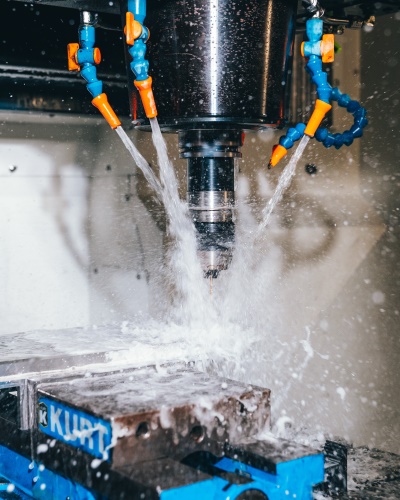
- The injection molding company develops a prototype using 3D printing, soft tooling, or single-cavity prototype molds.
- Functional prototypes are provided to the customer for initial evaluation, testing, and validation. These prototypes help to assess the component’s performance under real-world conditions.
- Design Iterations:
- Based on the customer’s feedback and test results, any necessary design iterations are made.
- At this point, materials may be adjusted, tolerances refined, and the mold design tweaked to improve production efficiency or cost-effectiveness.
- Mold Design and Engineering:
- Once the design is finalized, the molding company engineers the mold, which includes designing gates, runners, cooling systems, and ejection systems to optimize the molding process.
- Depending on the complexity of the component, multi-cavity molds may be designed to increase production capacity.
- Mold Flow Analysis (MFA) software is used to simulate how the material will flow through the mold to ensure consistent part quality and minimize defects like warping, sink marks, or flash.
- Tooling Manufacturing:
- The mold is fabricated using hardened steel for high-volume production. This mold is precision-machined to exact specifications and undergoes quality checks.
Phase 3: Process Validation and Low-Volume Production
With prototypes and tooling in place, the next phase involves validating the manufacturing process and initiating low-volume production. This phase is critical for ensuring that the injection molding process consistently produces high-quality components that meet all specifications. Key activities in this phase include:
- Initial Mold Trial (T0 Sample):
- An initial trial run (called a T0 sample) is performed to assess the mold’s performance.
- The T0 sample is inspected for defects and measured to ensure that the component meets all critical dimensions and tolerances.
- Process Validation (IQ, OQ, PQ):
- Installation Qualification (IQ): Verifying that the molding machine, tooling, and other equipment are installed correctly and are functioning as intended.
- Operational Qualification (OQ): Testing the molding process at various parameters (pressure, temperature, cycle time) to ensure consistent, defect-free production.
- Performance Qualification (PQ): Running the mold under normal operating conditions to demonstrate that it can consistently produce components that meet specifications over a prolonged period.
- Regulatory Approval and Customer Sign-off:
- Samples from the initial production run are sent to the customer for further validation, which may include biocompatibility testing, sterilization trials, or regulatory submissions (e.g., to the FDA).
- Once the customer and regulatory bodies approve the part, the company moves forward with scaling up production.
Phase 4: Scaling to Full Production
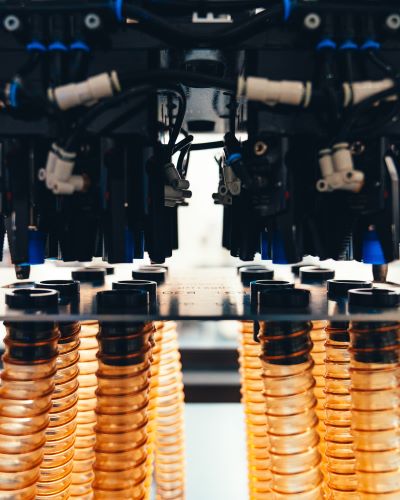
After successfully validating the process and completing low-volume production, the focus shifts to scaling up to full production. This phase is vital for transitioning from pilot runs to high-volume manufacturing, ensuring that the production process is efficient, cost-effective, and capable of meeting large-scale demand. Optimizing production workflows, integrating automation, and implementing quality control measures sets the stage to maintain consistent part quality. Key activities in this phase include:
- Low-Volume Production (Pilot Runs):
- The company begins low-volume production (e.g., 5,000 to 50,000 pieces) to further fine-tune the process.
- During this phase, the focus is on optimizing cycle times, minimizing scrap rates, and ensuring consistent part quality.
- Automation is gradually introduced where appropriate (e.g., automated part handling, inspection, and packaging systems).
- Quality Control and Process Monitoring:
- Quality control measures are implemented, including Statistical Process Control (SPC) to monitor key metrics like part dimensions, weight, and visual appearance.
- Real-time data monitoring helps identify trends and anomalies that might lead to defects.
- Ensuring the production environment adheres to cleanroom standards (ISO 7 or 8, depending on the part’s intended use) may be necessary for some medical devices.
- Capacity Planning and Optimization:
- The molding company evaluates production capacity, and if needed, invests in additional molds (e.g., multi-cavity molds) or automation to increase throughput.
- The production process is optimized to meet lead times, while maintaining quality and minimizing costs.
Phase 5: Full-Scale Manufacturing
The final phase involves scaling up to high-volume production, where manufacturing ramps up operations to meet the demand for over a million parts annually. This phase is essential for ensuring that the production process is highly efficient, automated, and capable of maintaining consistent quality at large scales. Key activities in this phase include:
- Scaling to High-Volume Production:
- At this stage, the company runs high-volume production, often in a 24/7 operation to meet demand.
- For annual volumes exceeding 1 million pieces, the use of multi-cavity molds (e.g., 8, 16, 32 cavities) is common to maximize output per cycle.
- Automation and Process Optimization:
- Advanced automation systems are integrated into the production line, including robotic part handling, automated assembly (if applicable), and packaging.
- In-line quality inspection systems (e.g., vision systems) are employed to detect defects and ensure that every part meets strict quality requirements.
- Supply Chain and Logistics Management:
- To manage the supply chain for high-volume production, the company coordinates with material suppliers to ensure consistent, high-quality resin and other necessary inputs.
- Just-in-time inventory strategies may be employed to reduce waste and optimize production flow.
- Finished parts are packaged according to customer requirements, and logistics are arranged to ensure timely delivery, often in large, scheduled batches.
- Ongoing Quality Assurance and Continuous Improvement:
- Continuous quality monitoring and improvement initiatives are ongoing. Any deviations in the process are identified and corrected quickly.
- The company works closely with the customer for any product updates, regulatory changes, or new production requirements.
- Post-Production Support and Warranty:
- The molding company offers post-production support, including mold maintenance, periodic tool refurbishment, and ongoing quality checks.
- Any issues or failures in the field are addressed through customer support, with a feedback loop to the production team for continuous improvement.
Silicone Molding Process Infographic

Considerations for Long-Term Success with Injection Molding
1 Million+ Parts Annually
As the injection molding process scales up to full production, several key considerations must be addressed to ensure sustained success. These factors are critical for maintaining efficiency, quality, and compliance over the long term. Here are some important aspects to keep in mind:
- Tooling Maintenance and Upkeep: Over time, molds wear out, so ongoing maintenance is crucial to ensure they remain in top condition. For high-volume production, the company may need to build multiple molds to prevent downtime.
- Scaling Automation: As the scale increases, more advanced automation (robots, conveyors, automated quality inspection systems) will be crucial to maintaining efficiency and reducing labor costs.
- Regulatory Compliance Audits: Periodic audits by regulatory bodies and customers are common in the medical device field. Ongoing compliance with ISO and FDA regulations is essential.
- Cost Reduction Opportunities: Once production reaches full scale, companies often look for ways to reduce costs further through process optimization, material selection, and automation.
This structured approach ensures that the scale-up from prototype to full-scale production of over 1 million parts annually is managed systematically, with quality and regulatory compliance at the forefront.

Compare aluminum and steel tooling for silicone molding


Injection molding shapes modern medical components
